
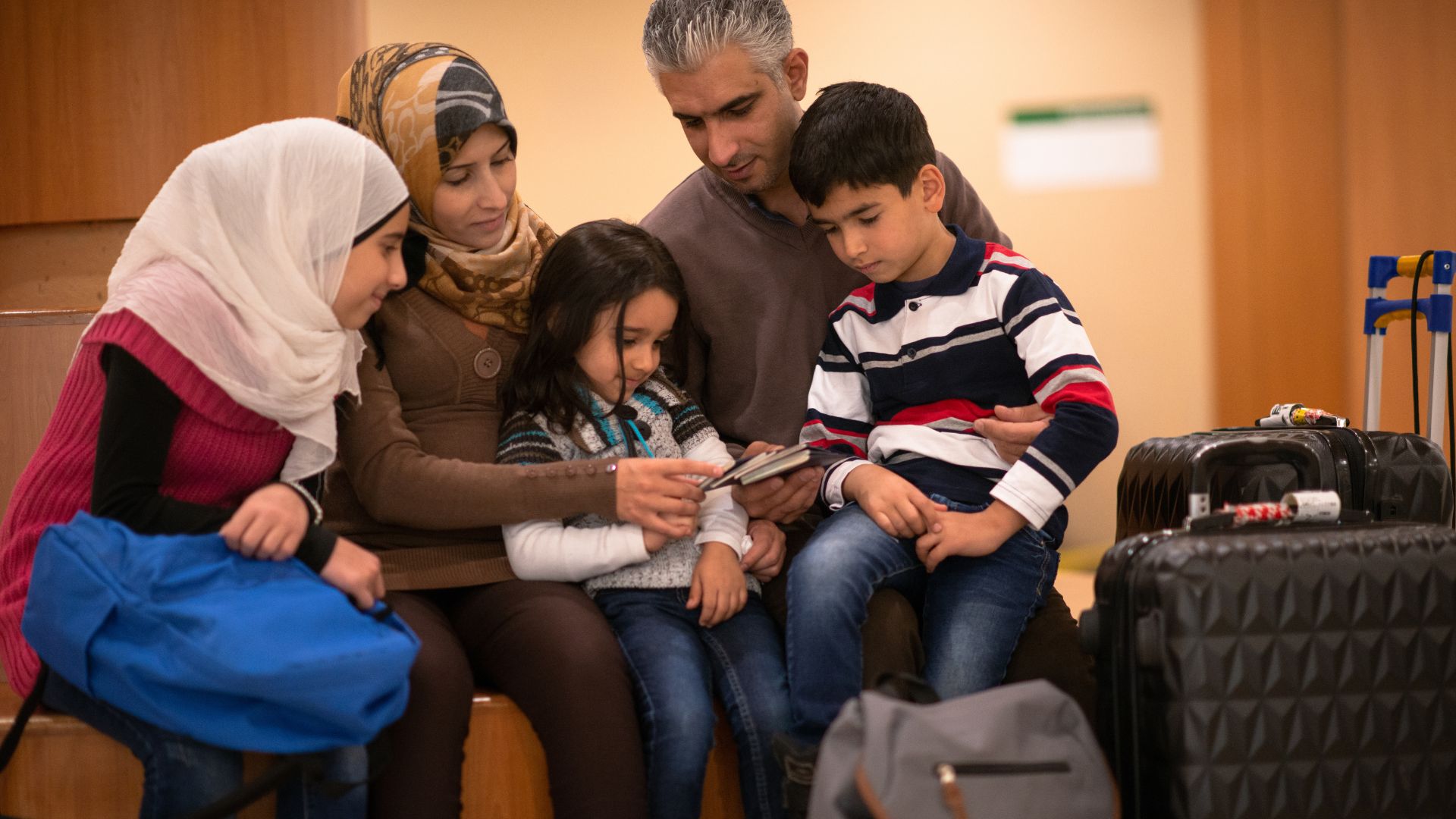
Family Immigration Attorney in Franklin
Keeping your family together through the immigration system can feel overwhelming when forms, deadlines, and government requirements begin affecting every decision. You may be trying to petition for a spouse, parent, child, or another qualifying relative while also worrying about delays and what one mistake could do to the process. Working with a family immigration attorney in Franklin can bring more clarity to a process that often feels confusing at the start. Families usually want straightforward guidance, careful preparation, and a better understanding of what to expect before moving forward. Gilliam Law assists with family-based immigration matters by helping build a more organized approach from the beginning.
The right preparation can make a meaningful difference when a case involves petitions, supporting evidence, interviews, prior immigration history, or questions about eligibility. Each case brings its own timeline and legal considerations, which is why it helps to work with a family immigration attorney in Franklin who can evaluate the facts closely and explain the next steps clearly. Gilliam Law works with families in Franklin who need practical legal guidance and a steady plan for handling family immigration matters. A stronger organization at the beginning can help reduce avoidable issues later in the process. Call Gilliam Law at (312) 998-9575 to get a consultation and discuss your family immigration case today.
Understanding the First Steps in Family Immigration

Family immigration cases usually begin with a close review of the relationship involved, the immigration status of the petitioner, and the process that may be available based on where the relative is living now. Some families are moving forward with a petition for a spouse, while others are trying to help a parent, child, or sibling through a process that may involve longer waits and stricter timing concerns. The first stage is not only about choosing forms, because it also involves identifying eligibility issues, gathering civil records, and deciding how the case should be prepared from the beginning. Gilliam Law can help examine those details before a filing is made so the legal strategy matches the facts of the case. Early clarity can prevent confusion that grows after paperwork is already under review.
The first steps also depend on whether the relative is already in the United States or will need to complete immigrant visa processing through a consulate abroad. That distinction affects how the case moves, what supporting documentation is needed, and what timing issues may become important later. Families are sometimes surprised to learn that an approved petition does not always mean immediate permanent residence, especially when category limits or visa backlogs apply. Careful preparation at the start helps identify those issues before expectations move too far ahead of what the law and current processing system allow. A stronger opening plan gives the case a more stable foundation.
Which Family Relationships May Qualify
Family immigration law recognizes certain relationships for sponsorship purposes, but the rules are not identical across every category. U.S. citizens may petition for spouses, parents, children, and siblings, while lawful permanent residents have a narrower set of qualifying family relationships. Age, marital status, and the petitioner’s own immigration status can all affect how a case is classified and whether a visa number must become available before the case can move forward. That means the same family goal may follow a different timeline depending on the relationship involved and the status of the person filing the petition. Understanding the qualifying relationship early helps families avoid relying on the wrong process.
Immediate Relative Cases Move Under Different Rules
Immediate relative cases for spouses, unmarried children under twenty-one, and parents of adult U.S. citizens are treated differently from preference category cases. These cases are not subject to the same annual numerical limits that can create long waiting periods in other family immigration categories. That distinction can affect filing strategy, timing expectations, and the way the overall case is discussed from the start.
Preference Categories Can Add Waiting Time
Family preference cases may involve waits that continue long after the initial petition is approved. Siblings of U.S. citizens and certain spouses or children of lawful permanent residents are placed into categories controlled by visa availability. Families need to understand those delays early so expectations remain realistic.
When a Petition Starts the Process
Many family-based cases begin with a petition that asks the government to recognize the qualifying relationship between the petitioner and the relative. That filing is important, but it does not mean the entire case is complete once the petition is submitted or even after it is approved. Additional steps may still be required depending on the person’s location, eligibility for adjustment of status, and whether a visa number is currently available. Supporting records also need to match the legal theory of the case, which means names, dates, prior entries, and civil documents should be consistent across the file. A careful petition strategy can reduce problems that become harder to fix later.
An Approved Petition Does Not Finish the Case
Approval of the family petition confirms the qualifying relationship, but it does not automatically grant lawful permanent resident status. Some applicants may move to adjustment of status inside the United States, while others must continue through consular processing abroad. The next step depends on legal eligibility, timing, and the procedural posture of the case.
Supporting Records Must Match the Filing Strategy
Birth certificates, marriage records, divorce judgments, passports, and immigration records all play a role in supporting the case. If those documents conflict with one another, the government may question credibility or request additional evidence before moving forward. Consistent records make the filing easier to evaluate and defend.
Adjustment of Status Versus Consular Processing
A major early question in family immigration is whether the case will move through adjustment of status inside the United States or through consular processing in another country. That choice is not simply a matter of preference, because eligibility rules control which path may be available in a given case. Prior visa history, lawful entry, unlawful presence concerns, and current location can all affect which process fits the facts. Families sometimes assume both options are equally open, but the law may sharply limit what can be done without creating additional risk. A family immigration attorney in Franklin can help sort through those issues before the wrong assumptions guide the case.
Cases Inside the United States Follow One Path
Adjustment of status allows certain applicants already in the United States to seek permanent residence without leaving the country. This process may involve concurrent filings in some cases, biometrics appointments, and an interview before a final decision is made. Eligibility depends on more than family relationship alone, which is why the factual review at the beginning is so important.
Overseas Visa Processing Follows Another Path
Consular processing usually applies when the relative is outside the United States or cannot adjust status from within the country. That path may involve National Visa Center document collection, consular scheduling, and additional admissibility concerns. Families should understand that overseas processing brings its own timeline and risks.
What a Family Immigration Attorney in Franklin Handles

Family immigration cases can involve much more than one petition and one set of supporting documents, especially when a family is trying to understand which path fits the relationship, the immigration history, and the current location of the relative involved. Some matters move through a more direct, immediate relative process, while others involve category limits, longer waiting periods, or questions about whether the applicant can complete the case inside the United States or through a consulate abroad. A family immigration attorney in Franklin helps evaluate those moving parts before the case gains momentum in the wrong direction. That early review can be especially important when expectations are high, and the legal process is less straightforward than the family first assumed.
The work also includes identifying documentation issues, preparing families for procedural steps, and recognizing concerns that may affect timing, eligibility, or the next filing decision. Some families are dealing with a recent marriage, while others are trying to reunite with children, parents, or relatives whose cases fall into a preference category with longer waits. A family immigration attorney in Franklin can help organize the case around the actual legal requirements instead of guesswork or incomplete online information. That kind of structure is useful when the family needs a clearer understanding of what can happen now, what may take longer, and what should be addressed before filing anything.
Marriage-Based Immigration Cases
Marriage-based immigration matters are some of the most common family cases, but they still require careful documentation and a clear explanation of the relationship history. A recent marriage does not make the case simple by itself, because the government may still closely review how the relationship developed, whether the records are consistent, and whether the filing package supports the application in a complete way. Timing can also become important when one spouse is already in the United States, and questions arise about lawful entry, current status, or the best filing route. A family immigration attorney in Franklin helps assess those issues before the case moves into formal review.
Marriage Evidence Needs Consistency From the Start
Marriage cases usually involve records that show the relationship is genuine and ongoing rather than created only for immigration purposes. Joint documents, photographs, correspondence, travel history, and other records should fit together in a way that makes the timeline easy to follow. Inconsistent dates or weak supporting evidence can lead to extra questions that place more pressure on the case.
Interview Preparation Can Affect the Strength of the Case
Some marriage-based cases involve interviews where the couple must answer questions about the relationship and the documents filed with the government. Preparation matters because uncertainty, conflicting answers, or poor familiarity with the case record can draw added attention to avoidable issues. A better-prepared interview usually creates a more stable presentation of the case.
Petitions for Children and Parents
Petitions involving children and parents can appear straightforward at first, but important legal details may still affect the case from the beginning. The petitioner’s immigration status, the child’s age, the child’s marital status, and the family relationship itself can all influence how the matter is classified and how long the process may take. Some cases qualify for treatment as immediate relative matters, while others require a different timeline and a different set of expectations. A family immigration attorney in Franklin helps families identify those distinctions before they rely on assumptions that may not apply to their situation.
Age and Status Details Can Change the Available Path
A child’s age at key points in the process may affect eligibility, category placement, or the documents that need closer review. Parent petitions also carry their own requirements, including the citizenship status and age of the petitioner. These details can change the legal path in ways that are not obvious at the beginning.
Family Records Need Careful Review Before Filing
Birth certificates, adoption records, marriage records, divorce documents, and other civil records may all become important in a petition involving parents or children. Missing pages, translation problems, or conflicting information across those records can slow progress or invite closer review. A thorough record review helps present the relationship with more clarity from the outset.
Family Preference Category Cases
Some family immigration matters fall into preference categories that are subject to annual limits, which means approval of the petition may not lead to immediate movement toward permanent residence. These cases can involve spouses or unmarried children of lawful permanent residents, as well as certain adult children or siblings of U.S. citizens. The legal strategy in these matters has to account for waiting periods, priority dates, and the possibility that a family may remain in a holding pattern even after important progress has been made. A family immigration attorney in Franklin can help explain those timelines in a way that is more practical and easier to follow. Realistic expectations are especially important when the process may unfold over a much longer period.
Priority Dates Influence When the Case Can Advance
Preference category cases are tied to visa availability, which means a petition approval is only one part of the overall process. The priority date becomes a key reference point for tracking when a visa may become available under the relevant category. Families need to understand that waiting is built into many of these cases, even when the filing itself is properly prepared.
Long Timelines Require Careful Planning
A long wait can affect personal planning, document collection, and the timing of future immigration steps. Families may need updated records, continued communication, and a clearer understanding of what can and cannot happen while the case remains pending. Better planning makes a long process easier to manage.
Why Families in Franklin Trust Gilliam Law With Family Immigration Cases

Family immigration cases can place a great deal of weight on timing, accuracy, and the ability to recognize problems before they become harder to fix. Families are not only looking for help with forms, but they also need legal guidance that takes the relationship, the immigration history, and the next procedural step into account at the same time. Gilliam Law brings over 30 years of combined experience to family immigration matters and has handled thousands of cases involving important life decisions for families who need a clearer legal path. That level of experience can be valuable when a case includes filing strategy questions, documentation concerns, prior immigration issues, or uncertainty about how the process may unfold. Families in Franklin also value having a firm that is open 24/7 when urgent questions arise, and fast communication becomes especially important.
Trust in this setting usually comes from preparation, consistency, and the ability to explain legal issues in a way that feels direct rather than confusing. Gilliam Law works with families who want a more organized approach to petitions, evidence, case planning, and the procedural steps that follow after filing begins. A family immigration attorney in Franklin should be able to identify risk points early, prepare the case with care, and stay attentive as timelines or government requests begin affecting the next stage. That kind of legal support can be especially important when the family has been waiting for progress and cannot afford new mistakes or unnecessary delays.
Early Case Review Can Prevent Filing Problems
Some immigration problems begin before anything is filed, especially when families rely on assumptions about eligibility, timing, or what category the case belongs in. A close legal review at the beginning can identify issues involving prior entries, immigration status, missing records, inconsistent civil documents, or facts that may call for a different strategy than the family first expected. That review also helps clarify whether the case appears ready for filing or whether more supporting information should be gathered first. Gilliam Law uses early case analysis to help families understand what may create avoidable complications later in the process.
Filing Decisions Should Be Based on Verified Facts
A strong family immigration case begins with accurate information rather than rushed assumptions about how the process should work. Dates, names, prior filings, and immigration history all need to be examined closely before documents are submitted. Careful fact review can reduce the chance of building the case around an error.
Early Review Can Expose Gaps Before Submission
Some problems are much easier to address before the government starts examining the file in detail. Missing records or conflicting details may seem minor at first, but they can create larger questions after filing. Early review gives families a better chance to correct those problems in advance.
Detailed Preparation Helps Support Family Petitions
Preparation in a family immigration case involves much more than completing forms and attaching basic records. The filing should present the family relationship clearly, support the timeline with consistent documentation, and reflect a legal strategy that makes sense for the facts involved. Marriage cases, parent petitions, child petitions, and preference category matters all depend on records that work together instead of raising new questions. Gilliam Law helps families prepare petitions with closer attention to the supporting file, so the case is easier to understand when it reaches formal review.
Supporting Family Records Need to Work Together
Birth records, marriage certificates, divorce judgments, passports, translations, and immigration documents should align across the full filing package. When those records conflict, the case may slow down while the government asks for clarification or more evidence. Strong preparation focuses on consistency before the file is submitted.
Case Presentation Matters Along With the Documents
The documents in a case still need to fit into a coherent legal presentation that explains the relationship and the path being requested. A poorly organized filing can make valid facts harder to follow and harder to evaluate quickly. Better preparation makes the case clearer on paper and easier to defend later.
Clear Legal Guidance Matters During Longer Timelines
Many family immigration matters do not move quickly, especially when preference categories, visa availability, document requests, or processing delays affect the overall timeline. Families may need help understanding what stage the case has reached, what still needs to happen, and what changes in law or procedure may alter expectations moving forward. Clear legal guidance becomes especially important during those longer periods because uncertainty can lead to missed updates, confusion about next steps, or decisions made without enough information. Gilliam Law helps families stay informed as the case develops, so the process remains more understandable even when progress takes time.
Long Waits Can Create New Questions for Families
A case that remains pending for months or longer may require updated records, renewed planning, or closer attention to procedural changes. Families may also need help understanding what delays mean and what delays do not mean for the future of the case. Clear explanations can reduce confusion during slower stages of the process.
Ongoing Guidance Helps Families Respond to Change
Immigration cases do not always move in a straight line from filing to approval. Requests for evidence, interview scheduling, visa bulletin movement, and documentation updates can all affect what happens next. Ongoing legal guidance helps families respond to those changes with better preparation.
Schedule a Consultation With Gilliam Law’s Family Immigration Attorney in Franklin
Family immigration decisions can affect where a family lives, how long separation continues, and what options remain available in the months ahead. A case may involve a spouse, parent, child, or another qualifying relative, but every filing still depends on the supporting records and the legal path that fits the situation best. Small issues in the record can create larger delays once the process is already moving, which is why many families want clearer answers at every stage of the process. Gilliam Law brings over 30 years of combined experience, has handled thousands of cases, and remains open 24/7 for families who need dependable guidance during an important legal process.
Some families need help choosing the correct process, while others need a closer review of records, immigration history, or the steps that follow after a petition is submitted. Clear legal guidance can make a complicated matter easier to understand and easier to manage when the process begins to feel overwhelming. Call Gilliam Law at (312) 998-9575 or visit our contact page to discuss your family immigration case today.