
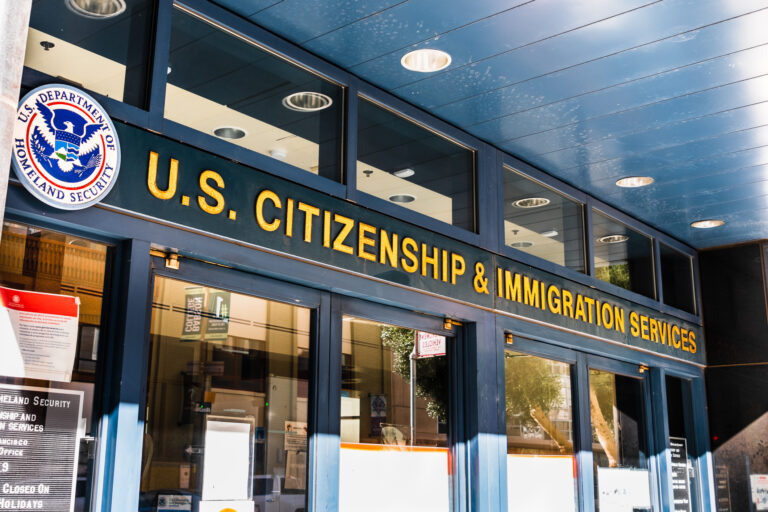
What to Do If Your Asylum Case Is Transferred or Delayed by USCIS
How to Respond to a Transferred or Delayed Asylum Case
Waiting for a decision on an asylum application often feels like living in limbo. For many families in Chicago, the hope of building a safe life in Illinois depends on the efficiency of U.S. Citizenship and Immigration Services (USCIS). But what happens when you receive a notice that your case has been transferred to a different office, or when months pass without a single update? If your case is currently at a standstill, understanding the “why” and the “how” of the process is the first step toward regaining control.
Our legal team believes you deserve the full attention of a dedicated legal team. We use an advanced electronic system that allows us to manage your case and update you without requiring you to travel to our office in person unless you want to. Whether you prefer a streamlined online experience or need more personal guidance, we are here to provide the support you need.
Why USCIS Transfers Asylum Cases
It is common for USCIS to move files between different service centers or asylum offices. Moving files often balances the workload across the country. If the Chicago Asylum Office at 181 W. Madison Street is backlogged, your file might be sent to another location that has more capacity to process it.
A transfer does not indicate a problem with your application. In fact, USCIS frequently transfers cases to expedite processing. But it can be confusing to receive a notice from a city you have never visited. According to the USCIS Policy Manual, a transfer of office location is a standard administrative tool used to manage the vast number of pending benefit requests.
If you move to a new address while your case is pending, you must notify USCIS within 10 days by filing Form AR-11. Because your case is tied to your geographic location, moving from Chicago to another state will likely trigger a case transfer to the asylum office covering your new residence.
Current Trends in Asylum Delays for 2026
Delays are often tied to broader national security reviews or changes in how the government prioritizes its workload. While USCIS may still conduct interviews, many applicants are finding that their final “grant” or “denial” letters are taking much longer to arrive. This pause is nationwide and affects offices from Chicago to Los Angeles.
Even if your specific case is not subject to a policy-based hold, general backlogs remain a challenge. The 2026 processing environment has also introduced new requirements. As of February 2, 2026, USCIS has resumed charging an annual asylum fee of $102 for cases that have been pending for more than one year. Failing to stay current with these administrative updates can lead to further complications or even the dismissal of your case.
How to Check Your Asylum Case Status
If you are concerned about the lack of movement on your file, you can take steps to monitor its status. The most direct method is using the USCIS Case Status Online tool. You will need the 13-character receipt number found on the notice USCIS sent you after you filed.
Protecting Your Right to Work During a Delay
One of the biggest concerns during a delay is the ability to support your family. Generally, you are eligible to apply for an Employment Authorization Document (EAD) once your asylum application has been pending for 150 days, and you can receive the permit after 180 days. This process is known as the “180-Day Asylum EAD Clock.”
Certain actions can stop this clock, delaying your ability to work. For example, if you ask to reschedule an interview or if you fail to appear for a biometrics appointment, the clock pauses. If your case is transferred because you moved, this may also impact your timeline.
The Department of Homeland Security recently published a proposed rule on February 20, 2026, that could significantly change EAD eligibility for asylum seekers. If finalized, this rule would extend the waiting period to 365 days and allow USCIS to stop accepting EAD applications when backlogs are high. Staying informed about these shifts is vital for maintaining your legal right to work in the Chicago area.
Illinois Resources for Asylum Seekers
While you wait for USCIS to act, there are local protections and resources available to you in Illinois. The state has enacted the “Way Forward Act,” which limits how local law enforcement interacts with federal immigration authorities and creates a safer environment in which you can access state services without fear.
The Illinois Department of Human Services provides several support systems, including the Illinois Welcoming Centers. These centers offer case management and help connect you to healthcare, food assistance, and community workshops.
In Chicago, the “CityKey” program is another valuable tool. It serves as an official government-issued photo ID that you can use to open bank accounts or access city services. These local programs help provide stability while the federal government processes your asylum claim.
How a Chicago Immigration Attorney Can Help
Navigating a transfer or an indefinite delay is exhausting. At Gilliam Law, we take a passionate approach to every case we handle. We know that behind every receipt number is a person seeking safety and a better future. Our team is constantly looking for ways to better ourselves and our strategies to stay ahead of changing federal rules.
We offer a free consultation to discuss the specifics of your delay. Our electronic case management system is designed for your convenience; we can exchange documents and provide updates digitally, saving you a trip to the office. However, if you prefer to sit down and talk, we are always open to meeting with you. We pride ourselves on being approachable and giving every client the individualized attention they deserve.
If your asylum case has been transferred or delayed, do not wait in silence. Our team is ready to advocate for you and help move your case forward. Contact our law office today at 866-511-3422 to schedule your free consultation and learn how we can help you secure your future in the United States.