
Green Card Attorney in Franklin
A green card case can seem simple at first until the legal requirements and filing history are reviewed more closely. A case may depend on family sponsorship, a marriage-based petition, adjustment of status, consular processing, prior entries, or another issue that affects whether permanent residence is available. A green card attorney in Franklin can help review all factors before the case is built on assumptions that later cause delays or requests for more evidence. Gilliam Law works with people who need a clearer legal answer about what path fits their situation and what problems should be addressed before the filing moves forward.
Permanent residence cases are frequently shaped by details that do not stand out at the beginning. The timing of a prior entry, the accuracy of civil records, or the relationship between earlier applications and the current filing can all affect the strength of the case. Gilliam Law helps people in Franklin prepare green card matters with a strong focus on eligibility, documentation, and the legal steps that may control what happens next. Call Gilliam Law at (312) 998-9575 to speak with our green card lawyer in Franklin today.
What Has To Be Confirmed Before Filing for a Green Card
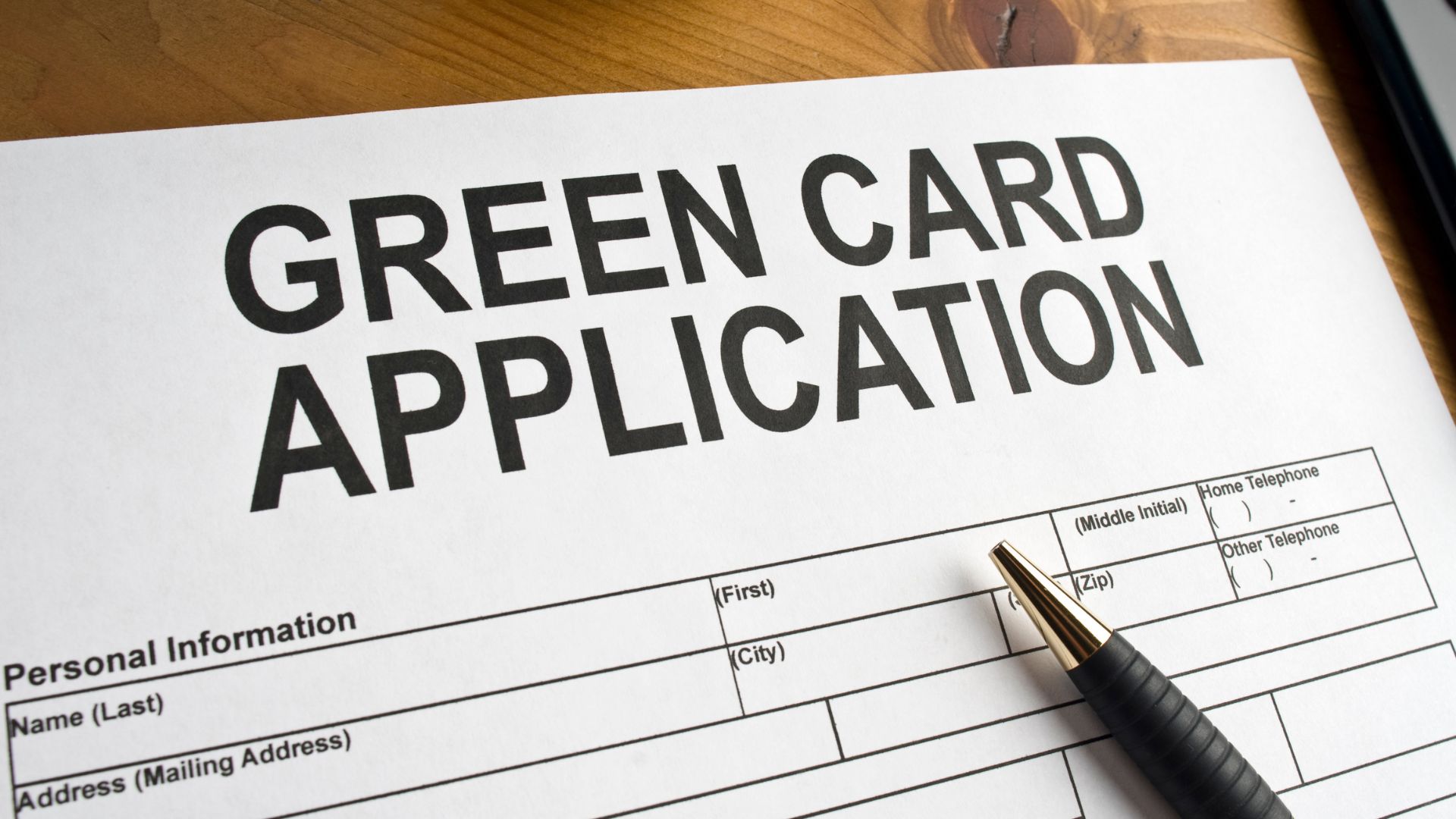
A green card case usually depends on more than a qualifying relationship or a general plan to apply for permanent residence. The filing has to match the right legal path, the person’s immigration history has to be reviewed closely, and the record has to support the request in a way that makes sense from the start. A case can run into avoidable problems when those questions are answered too quickly or when the filing moves forward before the legal fit is fully confirmed. Gilliam Law can help examine those issues before the application is built on assumptions that later become harder to fix. Stronger preparation usually begins with confirming that the case is taking the right path from the beginning.
That review also matters because green card cases do not all move through the same process. One person may be eligible to adjust status in the United States, while another may need consular processing abroad, and a third may run into prior immigration facts that change what is possible. The legal path affects timing, required forms, supporting records, and the risks tied to how the case is presented. A green card attorney in Franklin can help sort through those questions so the filing strategy reflects the actual record rather than a general expectation of how the process should work. Better case planning often starts by confirming what kind of green card process the law actually allows.
Eligibility Has To Be Matched to the Right Path
A green card filing has to be built around the legal basis that actually fits the person’s situation. Family petitions, marriage-based cases, employment-related paths, humanitarian categories, and other routes to permanent residence each carry different requirements and different procedural rules. A green card attorney in Franklin reviews the facts to determine which path is truly available and whether that path works with the person’s immigration history, current status, and location. A filing can become harder to defend when it starts under the wrong theory or overlooks facts that point to a different process. Matching eligibility to the correct path gives the case a more stable legal foundation.
The Process Has To Fit the Person’s Actual Situation
A person may qualify for permanent residence in one general sense and still face limits on how the case can be filed. The legal path has to match the person’s status, location, and procedural posture at the time the case begins. A stronger filing starts with that fit rather than with a broad assumption about eligibility.
Adjustment and Consular Processing Are Not Interchangeable
A case that can move forward inside the United States may require a very different strategy from one that has to continue through a consulate abroad. The timing, paperwork, and legal risks may change depending on which process applies. A clearer review helps prevent the case from being built around the wrong procedural route.
Prior Immigration History Can Affect the Filing
A green card case may look straightforward until older immigration events are brought back into the picture. Prior entries, visa history, earlier applications, periods of unlawful presence, prior denials, or contact with immigration authorities can all affect how the filing should be handled. A green card lawyer in Franklin reviews that history because earlier facts may change the available process or create issues that need attention before the application is submitted. Those events do not always end the case, but they can alter how it needs to be prepared. A better filing strategy usually begins with a full understanding of the immigration timeline rather than only the present goal.
Older Events Can Still Change Current Options
A case may be shaped by things that happened years before the current filing was considered. Past immigration activity can affect eligibility, admissibility, and the process that now applies. Closer review helps prevent those older facts from creating avoidable surprises later.
The Full Timeline Has To Be Understood Clearly
The order of major immigration events can matter as much as the events themselves. A case may turn on when a person entered, what status existed at that time, or how later applications and departures changed the legal picture. A clearer timeline gives the filing a more reliable base.
The Record Has To Support the Application Clearly
A strong green card case depends on records that align with the legal theory of the filing. Civil documents, prior immigration filings, identity records, relationship evidence, and other supporting materials should work together instead of pointing in different directions. A green card lawyer in Franklin reviews the record to see whether the documents support the application clearly or whether inconsistencies may raise questions once the case reaches formal review. Even a valid case can become more difficult when the paperwork is incomplete, inaccurate, or poorly organized. Better record support makes the application easier to evaluate and easier to defend.
The Documents Need To Work Together
A filing can slow down when records conflict on names, dates, family relationships, or earlier case history. The government may ask for clarification or more evidence when the documents do not line up clearly. A stronger record helps the case move forward with fewer avoidable questions.
A Clear Record Can Reduce Later Problems
The goal is not only to submit documents, but to submit a file that makes legal and factual sense as one complete application. A more coherent record can make the case easier to review and less vulnerable to preventable issues. Better organization often strengthens the filing before any formal challenge appears.
How a Green Card Attorney in Franklin Helps Prevent Delays Before Approval

A green card case can begin on the right path and still lose time before approval if important details are left unresolved. Delays often come from records that do not line up, prior immigration facts that were not reviewed closely enough, or process decisions that create problems later in the case. Those issues may not seem serious at the beginning, yet they can lead to requests for more evidence, questions about eligibility, or a filing that takes longer to move than expected. A green card attorney in Franklin helps review those delay risks before they grow into larger obstacles after the application is already under review. Better planning often prevents problems that would be much harder to fix once the case has slowed down.
This stage of the case is not only about waiting for the government to act. It is also about making sure the record remains strong, the legal process still fits the facts, and the filing does not drift into trouble because a key issue was overlooked early. A green card attorney in Franklin can help identify where the case may draw closer scrutiny and what should be corrected or strengthened before delay turns into a more serious setback. That kind of attention matters because approval timelines are not controlled by paperwork alone. A cleaner file and a more accurate process choice can often protect the case from avoidable problems that slow it down.
Missing or Conflicting Records Can Delay Review
A green card case can stall when the supporting records do not clearly support the application. Birth certificates, marriage records, divorce judgments, passports, immigration documents, and prior filings all have to fit together in a way that makes the case easy to follow. A green card lawyer reviews those records closely because even a valid case can run into delays when names, dates, or family relationships appear inconsistent across the file. Missing pages, unclear translations, or records that do not match earlier filings can also create problems once the application is examined more carefully. Clearer records usually give the case a better chance of moving forward without unnecessary questions.
Inconsistencies Can Create Questions the Case Did Not Need
A mismatch in one part of the file can cause the government to look more closely at the rest of the record. That does not mean the case is doomed, but it can slow review and increase the chance of follow-up requests. Better document review helps reduce those avoidable problems before they gain more attention.
A Complete Record Is Easier To Review
The government still has to understand the filing as one complete application rather than as disconnected pieces of information. When the records are organized clearly and support the same legal theory, the case becomes easier to evaluate. A stronger file can prevent delays caused by confusion rather than by the underlying merits.
Prior Immigration Issues Can Create New Questions
Older immigration events can affect a green card case even when they seem unrelated to the present filing goal. A prior visa overstay, an earlier denial, past entries, unlawful presence, previous applications, or contact with immigration authorities may all change how the case is reviewed. A green card lawyer examines that history because it may affect eligibility, admissibility, or the process that should be used now. Those earlier facts do not always stop the case, but they can create new questions if they were never addressed before filing. A more reliable strategy usually begins with a full review of the immigration history instead of a narrow focus on the current application alone.
Older Facts Can Resurface During Review
A case may look simple until earlier immigration activity becomes relevant again during formal review. Facts from years ago can influence how the government interprets the present filing and whether more explanation is required. Closer review helps prevent those older issues from becoming unexpected obstacles later.
The Current Filing Does Not Erase the Past Record
A new green card application is still read against the person’s prior immigration history. Earlier events may shape the process, affect risk, or require additional explanation once the case is under review. A stronger filing usually starts with an honest reading of the full immigration record.
Process Choice Can Affect Timing and Risk
A green card case can also slow down when the wrong process is chosen at the beginning. Adjustment of status, consular processing, and other possible paths each carry different timing issues, document requirements, and legal risks depending on the person’s situation. A green card attorney in Franklin helps determine whether the chosen process actually fits the person’s status, location, and immigration history before the filing goes too far down the wrong track. A process that looks easier at first may later create delays or complications that could have been avoided with earlier review. The right procedural choice often affects both how long the case takes and how much risk the person carries along the way.
One Filing Path May Create Different Problems Than Another
Two people seeking permanent residence may face very different legal issues depending on how the case has to be processed. The steps, timing, and exposure to certain risks may change significantly from one path to another. A better process choice helps the case move with fewer avoidable complications.
Early Process Review Can Prevent Later Setbacks
A case becomes harder to redirect once forms have been filed and the wrong strategy has already shaped the record. An earlier review can help confirm whether the filing route actually matches the facts before time is lost. A stronger start often protects the case from the delay that comes from the process choice itself.
Gilliam Law’s Approach to Green Card Cases in Franklin

Green card cases can look manageable on the surface and still run into trouble once the filing is tested against the full record. Gilliam Law approaches these matters by reviewing the legal path carefully, checking the supporting documents against the immigration history, and looking for issues that could cause delay before the application is under review. That approach matters because many green card problems begin long before a denial, a request for more evidence, or a serious processing delay appears. A green card attorney in Franklin should be able to identify the weak points early and keep the case tied to the facts that actually control the result. Stronger preparation often starts with a closer review than the case first seems to require.
This work also depends on treating the application as part of a larger immigration history rather than as a stand-alone filing. A present request for permanent residence may still be shaped by earlier entries, prior applications, status history, or documents that were created years before the current case began. Gilliam Law approaches green card matters in Franklin with attention to both the immediate filing and the broader record behind it. That makes it easier to spot problems before they grow and easier to build a filing that is coherent from beginning to end.
Early Review Helps Avoid Filing Errors
A green card case can become harder to fix once the application has already been sent in with avoidable mistakes. Gilliam Law reviews the case early to identify legal and factual problems before they are built into the filing itself. That can include questions about eligibility, process choice, prior immigration history, incomplete records, or facts that need a stronger explanation before submission. A lawyer should not be waiting for the government to find the weaknesses first.
Filing Problems Are Easier To Prevent Than Repair
An incorrect answer, a missing document, or a weak legal assumption can create problems that take much more effort to correct later. Once the case is already under review, even small mistakes may cause delays or extra scrutiny. A better review at the beginning helps protect the application from those avoidable setbacks.
A Stronger Start Can Reduce Later Disruption
The goal of early review is not only to catch mistakes, but to keep them from shaping the rest of the case. A filing that begins on firmer ground is usually easier to support when questions arise later. More careful preparation at the start can save time and legal difficulty down the line.
Civil and Immigration Records Are Checked for Consistency
The supporting file in a green card case has to do more than provide a stack of documents. Birth records, marriage certificates, divorce judgments, passports, prior immigration notices, and earlier filings all need to line up in a way that makes the application easier to understand. Gilliam Law checks those civil and immigration records for consistency because conflicts in names, dates, relationships, or prior case history can slow the process even when the underlying case is valid. A green card attorney in Franklin has to know whether the record supports one clear application or whether it contains problems that will draw more attention during review.
Record Conflicts Can Slow a Valid Case
A case does not need to be legally weak to run into a delay. In many filings, the trouble starts when the documents point in slightly different directions or leave key parts of the timeline unclear. Closer record review helps reduce those avoidable questions before they begin to control the case.
Clearer Files Are Easier for the Government To Review
The government still has to read the application as one complete request rather than as disconnected papers gathered from different periods of the person’s life. When the records fit together clearly, the case becomes easier to evaluate on its actual merits.
Case Strategy Stays Aligned With the Immigration History
A green card filing is stronger when the legal strategy reflects the full immigration history behind the application. Gilliam Law keeps the case aligned with that history by reviewing how prior entries, status changes, earlier applications, unlawful presence, or other events may affect what can be done now. That kind of analysis matters because a filing path that looks reasonable at first may not remain the best option once the older record is read more closely. A green card lawyer in Franklin should be able to see how the present application fits into the person’s broader immigration timeline instead of treating it like a brand new case with no history behind it.
The Present Filing Still Has To Account for the Past
A current green card case may be shaped by things that happened long before the person decided to apply for permanent residence. Prior immigration events can affect eligibility, process choice, and the level of risk tied to the filing. A stronger strategy begins by accounting for those earlier facts instead of reacting to them later.
The Best Plan Usually Reflects the Full Record
An application becomes harder to defend when the legal strategy ignores parts of the immigration history that still matter. The better approach is to build the case around the complete record, even when that requires more careful planning at the start.
Schedule with Gilliam Law Today to Learn How We Can Help You With Your Green Card Case
A green card case can start with a simple plan and still become much more complicated once the full history is reviewed. The issue may not be obvious right away, but a prior entry, an older filing, or a record problem may still affect what process makes sense now. That is why many people want a clear legal answer before the application is submitted and the case begins moving on the wrong track.
Gilliam Law works with people who need to know whether the path they are considering actually fits the facts on paper. The filing may need closer review of prior entries, civil records, earlier applications, or the process being used to pursue permanent residence. A green card attorney in Franklin can help determine what the case still needs before it is placed under formal review. Call Gilliam Law at (312) 998-9575 or visit our contact page to learn how we can help you today.